 …
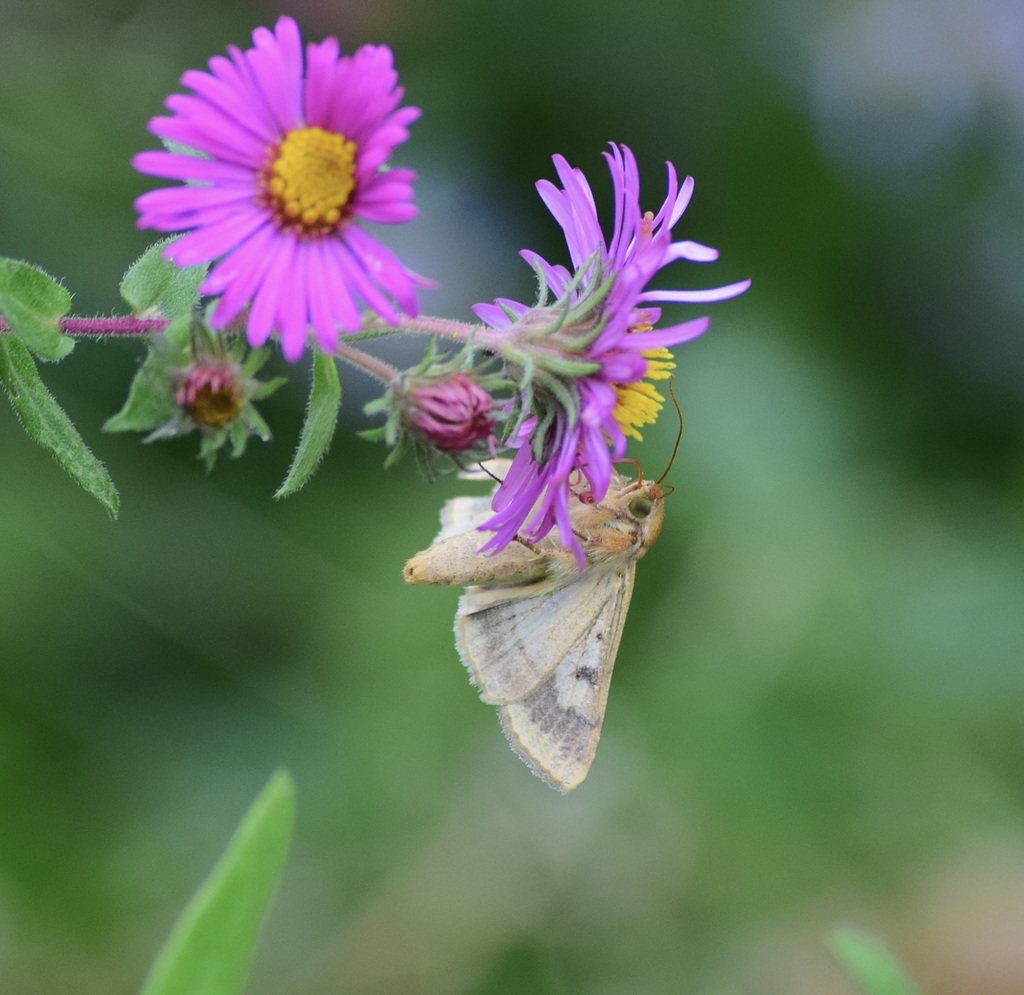
Corn Earworm Moth
Helicoverpa zea
Insectstrong against fungi, fish
Common
Swarm
While active with another insect in play, each of its attacks also hits the opposing bench for 10, without knocking them out (20 with two others).
40

37
Corn Earworm Moth
Helicoverpa zea
Insectstrong against fungi, fish
Common
While active with another insect in play, each of its attacks also hits the opposing bench for 10, without knocking them out (20 with two others).
Helicoverpa zea
Photo: © Bernie Paquette (original photo) · CC BY 4.0 (licence text) · cropped
Strong against: it deals 20% more damage to them. Weak against: these types deal 20% more damage to it.
Helicoverpa zea, commonly known as the corn earworm, is a species (formerly in the genus Heliothis) in the family Noctuidae. The larva of the moth Helicoverpa zea is a major agricultural pest. Since it is polyphagous (feeds on many different plants) during the larval stage, the species has been given many different common names, including the cotton bollworm and the tomato fruitworm. It also consumes a wide variety of other crops.
The species is widely distributed across the Americas with the exception of northern Canada and Alaska. It has become resistant to many pesticides, but can be controlled with integrated pest management techniques including deep ploughing, trap crops, chemical control using mineral oil, and biological controls.
The species migrates seasonally, at night, and can be carried downwind up to 400 km. Pupae can make use of diapause to wait out adverse environmental conditions, especially at high latitudes and in drought.
Excerpt from the Wikipedia article Helicoverpa zea, by its authors, under the CC BY-SA 4.0 licence.
No global status on the IUCN Red List: that’s what makes this card Common.
Every Common card has 100 points, shared between HP, ATK and DEF:
How they’re shared out:

 DEF 37